
How to Attract Birds at Home in Pakistan – Complete Bird Feeding Guide
How to Attract Birds at Home in Pakistan
Introduction
Importance of Attracting Birds at Home
Creating a haven for birds in your home garden or balcony brings numerous benefits beyond the simple joy of watching these beautiful creatures. Birds play a vital role in maintaining ecological balance by controlling insect populations, pollinating plants, and dispersing seeds. By attracting birds to your space, you contribute to local biodiversity conservation while enjoying natural pest control and the therapeutic benefits of connecting with nature.
Birdwatching in Pakistan
Pakistan is home to over 670 bird species, making it a paradise for bird enthusiasts. From the majestic White-cheeked Bulbul to the vibrant Purple Sunbird, the country’s diverse climate zones support a remarkable variety of avian life. Urban areas in cities like Lahore, Karachi, Islamabad, and Gujranwala still host numerous bird species, including sparrows, mynas, parrots, and hoopoes. Creating bird-friendly spaces in your home can help reverse the declining urban bird populations and bring nature closer to your daily life.
Creating a Bird-Friendly Environment
Providing Food Sources
The foundation of attracting birds lies in offering diverse food options that cater to different species’ dietary needs. In Pakistan, you can provide various food types, including seeds (sunflower, millet, and wheat), fruits (papaya, banana, and berries), and kitchen scraps like rice and chapati crumbs. Different birds have different preferences: sparrows and finches love seeds, bulbuls enjoy fruits, while mynas are omnivorous and eat almost anything. Consider offering mealworms or soaked lentils for insect-eating birds, especially during breeding season when protein requirements increase.
Setting Up Bird Feeders
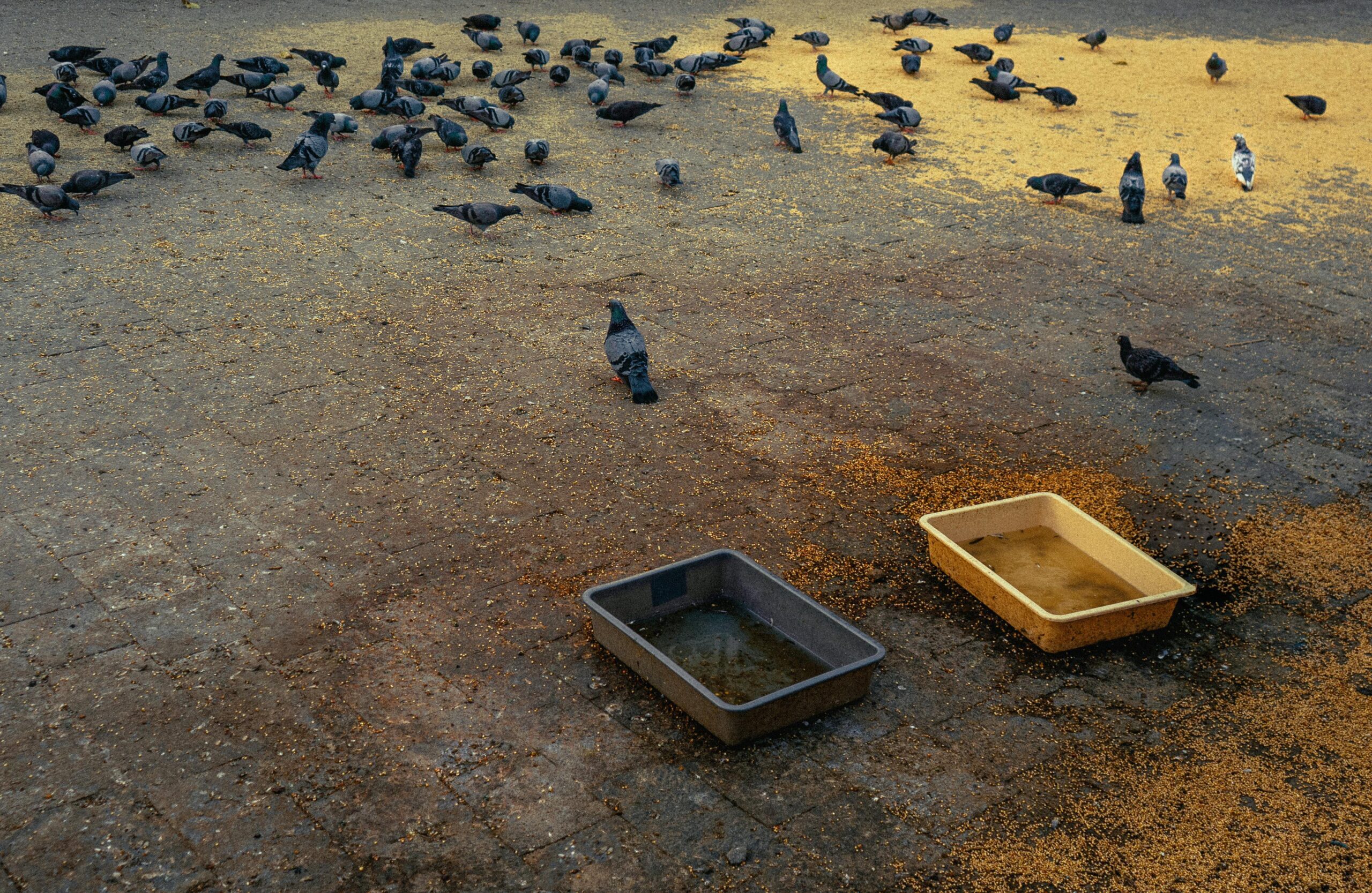
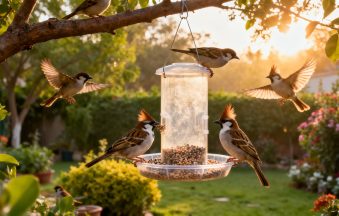
Installing bird feeders makes food consistently available and allows you to observe birds closely. For Pakistan’s climate, choose feeders made from weather-resistant materials like metal or treated wood. Platform feeders work well for ground-feeding birds like sparrows and doves, while hanging feeders attract smaller species. Place feeders at different heights and locations to accommodate various bird species. Ensure feeders are positioned at least 3-4 feet from walls or trees to protect birds from cats, yet close enough to vegetation so birds have escape routes from predators. Clean feeders regularly, especially during the hot summer months, to prevent the spread of diseases.
Planting Native Plants
Native plants are the cornerstone of a sustainable, bird-friendly garden. They provide natural food sources, shelter, and nesting sites while requiring less maintenance than exotic species. In Pakistan, consider planting fruit-bearing trees like ber (jujube), mulberry, and guava that attract frugivorous birds. Flowering plants such as Tecoma, Bougainvillea, and hibiscus draw nectar-feeding sunbirds. Neem and keekar trees offer excellent nesting sites and attract insect-eating birds. Dense shrubs like jasmine and lantana provide protective cover. Native plants also support local insect populations, which in turn feed insectivorous birds and their chicks.
Providing Water Sources
Bird Baths
Water is essential for birds, both for drinking and bathing. A simple bird bath can dramatically increase the number and variety of birds visiting your garden. Use a shallow container (2-3 inches deep) with a rough surface to prevent slipping. Place stones or pebbles in the center to give birds different depth options. Position the bird bath in a shady spot if possible to keep water cool during hot Pakistani summers, and ensure it’s in an open area where birds can spot approaching predators.
Water Fountains
Moving water is particularly attractive to birds as the sound and sparkle catch their attention from a distance. A simple fountain or dripper added to your bird bath can significantly increase bird visits. In Pakistan’s hot climate, the cooling effect of moving water is especially appreciated by birds. Solar-powered fountains are an economical option that requires no wiring. The gentle sound of trickling water not only attracts birds but also adds a peaceful ambiance to your outdoor space.
Importance of Clean Water
Maintaining clean water sources is crucial for bird health. In Pakistan’s warm climate, water can quickly become contaminated with droppings, algae, and debris. Change the water in bird baths daily, especially during the summer months. Scrub the bath weekly with a brush to remove algae and bacteria, using only water (avoid detergents or chemicals). During extreme heat, check water levels twice daily as evaporation can be rapid. Clean water sources prevent the spread of avian diseases and ensure birds keep returning to your garden.
Creating Shelter and Nesting Spots
Birdhouses
Providing artificial nesting sites encourages birds to raise their young in your garden. Different species require different house specifications. For common Pakistani species like sparrows and mynas, create boxes with entrance holes of 3-4 cm diameter. Mount birdhouses 6-10 feet high, facing away from prevailing winds and afternoon sun. Install houses in late winter (January-February) before the breeding season begins. Ensure proper ventilation holes and drainage in your birdhouse design. Clean out old nests after the breeding season ends to prepare for the next year.
Natural Shelters
Dense vegetation provides essential protection from predators and harsh weather. Create layers in your garden by planting trees of varying heights, along with shrubs and ground cover. Thorny plants like bougainvillea and ber offer excellent predator protection. Leave some areas of your garden slightly wild with dense undergrowth where birds can forage and hide. Dead tree branches (if safe) can be valuable as they provide perching spots and may house insects that birds feed on. Climbing plants on walls or trellises create additional sheltered spaces.
Nesting Materials
Help birds build their nests by providing suitable materials. Leave small twigs, dry grass, and leaves in an accessible spot in your garden. During the spring breeding season, you can offer additional materials like cotton threads (cut into 6-8 inch lengths to prevent tangling), coconut fiber, and animal hair. Place these in a mesh bag or on a platform where birds can easily collect them. Avoid synthetic materials or long strings that could entangle birds. Many Pakistani birds, including bulbuls and tailor birds, will readily use the provided nesting materials.
Avoiding Harmful Practices
Keeping Cats Indoors
Domestic cats are one of the biggest threats to urban bird populations. Even well-fed cats retain their hunting instincts and can kill numerous birds. If you have cats, keep them indoors or create an enclosed outdoor space (catio) where they can enjoy fresh air without endangering birds. If cats roam in your neighborhood, position feeders and bird baths away from hiding spots and ensure birds have clear sightlines to spot approaching threats. Consider using cat-proof fencing around key bird areas if possible.
Avoiding Pesticides
Chemical pesticides harm birds both directly and indirectly by eliminating their insect food sources. In Pakistan’s home gardens, adopt organic pest control methods instead. Encourage natural predators like ladybugs and praying mantises. Use neem-based solutions, which are less harmful to birds. Plant companion plants like marigolds that naturally repel pests. Remember that many insects that we consider pests are actually valuable food for birds and their chicks. A truly bird-friendly garden embraces a more natural ecosystem with some insect presence.
Preventing Window Collisions
Window strikes kill millions of birds annually worldwide, and this problem exists in Pakistan too. Birds don’t perceive glass as a barrier and may fly into windows when they see reflections of sky or vegetation. Apply bird-safe window treatments such as decals, screens, or UV-reflective tape spaced no more than 4 inches apart. Partially close curtains or blinds during peak migration seasons. If you notice repeated strikes at a particular window, temporarily place obstacles outside to break up reflections. Moving feeders either very close (within 3 feet) or far away (beyond 30 feet) from windows can also reduce collisions.
Enjoying Birdwatching
Observing Bird Behavior
Once you’ve created a bird-friendly space, take time to observe the fascinating behaviors of your feathered visitors. Watch how different species feed—some hop on the ground, others cling to branches, while sunbirds hover like hummingbirds. Notice social interactions, territorial displays, and courtship rituals. Early morning and late afternoon are typically the most active periods for birds in Pakistan. During summer, birds are also active during the cooler evening hours. Use binoculars to observe without disturbing them, and notice seasonal changes in bird populations as migrants arrive and depart.
Keeping a Bird Journal
Documenting your observations adds depth to your birdwatching experience and contributes valuable data to understanding local bird populations. Record the species you see, their numbers, behaviors, and the date and time of sightings. Note which foods different species prefer and when birds are nesting. Photograph birds if possible to aid identification and create a visual record. Over time, you’ll notice patterns such as seasonal movements, breeding behaviors, and population changes. This journal becomes a personal treasure and a valuable record of your local biodiversity.
Participating in Bird Surveys
Join the growing community of citizen scientists in Pakistan by participating in bird surveys and monitoring programs. Organizations like the Ornithological Society of Pakistan conduct regular bird counts and surveys. Global platforms like eBird allow you to submit your sightings and access data from birders worldwide. Your observations contribute to important conservation research and help track bird population trends. Participating in bird surveys also connects you with fellow enthusiasts, provides learning opportunities, and gives you a sense of contributing to wildlife conservation efforts in Pakistan.
Conclusion
Recap of Benefits of Attracting Birds
Creating a bird-friendly environment at home offers rewards that extend far beyond aesthetics. You contribute to conservation by providing habitat in increasingly urbanized landscapes, support ecosystem health through natural pest control and pollination, and gain personal benefits through stress reduction and connection with nature. Your garden becomes a living classroom where you and your family can learn about ecology, behavior, and biodiversity. The joy of seeing a sunbird feed from your flowers or watching fledglings take their first flight from a nest in your tree creates lasting memories and fosters environmental stewardship.
Encouragement to Create a Bird-Friendly Environment
Starting your journey to attract birds requires no special expertise—just willingness to make small changes in your outdoor space. Begin with simple steps like setting up a bird bath or feeder, then gradually expand your efforts by planting native species and providing nesting sites. Every action, no matter how small, makes a difference. In Pakistan’s rapidly developing urban areas, home gardens and balconies are becoming increasingly important refuges for birds. By creating your own bird sanctuary, you join a growing movement of people working to ensure that future generations can also enjoy the beauty and wonder of birds. Start today, and soon your home will be alive with the songs and colors of Pakistan’s remarkable avian diversity.








Add comment